Discovering the Abundant Flavors of Coffee Beans: a Deep Study Espresso and Blended Coffee Beans
You uncover an intricate globe where each range brings its very own personality to your mug when you explore the abundant flavors of coffee beans. Comprehending the origins, processing methods, and roasting techniques can transform your coffee experience. As you browse through the art of espresso and the creativity behind blended coffees, you'll begin to value the subtleties that make each sip one-of-a-kind. What you'll find next might change the means you appreciate your early morning mixture.
The Origins of Coffee Beans: Checking Out Terroir and Flavor Profiles
When you take a sip of coffee, you're not just taking pleasure in a drink; you're experiencing an abundant tapestry of flavors formed by the beans' origins. Each area creates one-of-a-kind taste profiles affected by dirt, altitude, and climate. For instance, beans from Ethiopia frequently rupture with brilliant, fruity notes, while those from Colombia tend to use a well balanced, nutty sweetness.As you check out various origins, you'll discover exactly how terroir-- the environmental factors affecting a plant-- plays an essential duty. The exact same coffee variety can taste significantly different depending upon where it's grown.When you consider these factors, you start to appreciate the complexity behind your mug. Each sip informs a story of the land and the farmers who nurtured the beans. Following time you indulge, believe regarding the journey your coffee took before it reached your hands, and savor those detailed tastes that reflect its beginning.
Recognizing Coffee: The Art and Science Behind the Mixture
It's not just regarding the solid flavor; it's also regarding the methods that bring it to life when you assume regarding espresso. Understanding just how various preparation methods effect taste can change your brewing experience. Let's check out the complexities of coffee preparation and discover the unique taste accounts that make each cup unique.
Coffee Prep Work Techniques
Espresso prep work is both a science and an art, combining specific methods with a deep understanding of coffee. To begin, you'll intend to pick top notch, newly roasted beans and grind them finely for excellent extraction. The work dimension is vital; also coarse, and your coffee will certainly be weak, too great, and it'll be bitter.Next, tamp the premises evenly in the portafilter to ensure consistent extraction. When you lock it into the equipment, go for a developing temperature level in between 190 ° F and 205 ° F.As you draw the shot, expect the ideal removal time-- around 25-30 secs. The result must be a rich, luscious espresso with a gorgeous layer of crema ahead - Single Origin Espresso. With method, you'll grasp these techniques
Flavor Profiles Described
The world of coffee supplies a rich tapestry of taste profiles that can raise your coffee experience. You'll notice a balance of bitterness, level of acidity, and sweet taste when you take that first sip. Each coffee bean lugs one-of-a-kind notes, from floral and fruity to nutty and chocolaty. Light roasts typically showcase bright level of acidity and lively flavors, while dark roasts existing deeper, bolder tones.Understanding these profiles helps you choose the ideal coffee for your palate. Trying out different blends can expose surprising mixes. For circumstances, a well-crafted blend may balance the intense notes of an Ethiopian bean with the abundant, chocolatey undertones of a Brazilian bean. Embrace the trip of uncovering coffee's diverse tastes, and you'll change your coffee routine right into an amazing journey.
Handling Techniques: Just How They Impact Taste and Fragrance
While it might appear that the origin of coffee beans is one of the most significant consider identifying their flavor and aroma, the handling techniques utilized post-harvest play a just as important role. You'll find that these methods can considerably alter the last preference profile of your cup.For circumstances, the washed process removes the fruit from the beans prior to fermentation, usually bring about a cleaner, brighter flavor. On the other hand, the natural process leaves the fruit intact during drying, leading to a sweeter, fruitier profile.Other techniques, like honey processing, strike a balance, permitting some fruit mucilage to continue to be, supplying an one-of-a-kind complexity.Each processing technique interacts with the beans' integral qualities, improving or muting particular tastes and aromas. When you drink that coffee or combined coffee, bear in mind that the trip from cherry to mug is affected not just by beginning however additionally by just how those beans were refined.
Toasting Strategies: Opening the Full Possible of Coffee Beans
Roasting techniques are vital for revealing the full capacity of coffee beans, as they transform raw, environment-friendly beans into the aromatic, savory coffee you take pleasure in. The option of roasting technique-- light, medium, or dark-- substantially influences taste profiles. Light roasts maintain the beans' natural level of acidity and fruity notes, while medium roasts balance sweet taste and splendor. Dark roasts, on the other hand, highlight strong, great smoky flavors.You can experiment with roasting temperatures and times to discover your excellent brew. A slower roast at lower temperature levels allows for complex tastes to develop, while a quicker roast can intensify bitterness. Focus on the cracks during roasting; the initial split indicates a light roast, while the second split signals a dark roast - SOE. By grasping these techniques, you'll disclose a world of taste, boosting your coffee experience to brand-new elevations. Appreciate every sip, recognizing the care that went into your cup!
The Magic of Blended Coffee: Developing Distinct Flavor Experiences
Producing a special flavor experience with mixed coffee can change your early morning routine right into an expedition of taste. By integrating various beans from different regions, you can reveal a harmony of flavors that boost your mug to new heights. Each mix offers a distinctive account, balancing sweetness, body, and acidity to produce something really special.When you choose a mix, you're not simply selecting a coffee; you're selecting a journey across varied landscapes and cultures. Trying out with different combinations permits you to uncover your personal favorites, whether you delight in fruity notes or abundant, chocolatey undertones.Blended coffee likewise provides you the adaptability to adjust the brew to suit your state of mind. You could yearn for a light-bodied blend someday and a strong, dark roast the next. Welcome the magic of mixing and let each cup surprise your taste, making every sip a delightful journey.
Tasting Notes: Recognizing the Nuances in Your Cup
As you drink your coffee, you might observe a spectrum of tastes dancing on your taste, each exposing the ins and outs of the beans. You might taste the bright acidity evocative citrus or the deep, rich notes comparable to dark chocolate. The sweetness could stimulate honey or caramel, stabilizing the total account beautifully.Pay focus to the body of the coffee-- does it really feel light and ventilated, or is it full and luscious? The surface, as well, provides hints; a lingering aftertaste might hint at nuttiness or floral undertones.Don' t neglect to discover the special characteristics of various beginnings, as each region passes on distinct flavors. As an example, Ethiopian coffees frequently present fruity notes, while Colombian beans might display an extra rounded sweet taste. By recognizing these subtleties, you'll deepen your admiration for each cup, boosting your coffee experience to brand-new elevations.

Brewing Methods: Optimizing Flavor Removal for each Bean
When you check out the various brewing approaches, you'll find that each method can substantially impact the flavor account of your coffee. From French press to pour-over, each technique essences different substances, boosting or silencing particular notes. For example, using a French press enables oils to remain in the mixture, creating a richer preference, while pour-over stresses clearness and brightness.Temperature and grind dimension also play crucial functions. A coarser grind functions best for chilly mixtures, while a great grind is excellent for espresso. Trying out water temperature level-- in between 195 ° F published here and 205 ° F-- can reveal surprise tastes, too.Don' t forget steeping time; a fast extraction can lead to sour notes, while over-extraction might produce bitterness. By adjusting these variables, you can optimize taste extraction and genuinely boost your coffee experience. Enjoy the trip of uncovering what approach ideal matches your taste buds!
Often Asked Inquiries
What Is the Suitable Water Temperature Level for Brewing Coffee?
The perfect water he has a good point temperature for developing coffee's between 195 ° F and 205 ° F. If you utilize water that's also warm, you'll over-extract flavors; as well cool, and you will not remove sufficient. Objective for that sweet spot for the ideal brew!
Just How Does Work Size Affect Coffee Taste?
Grind size substantially influences coffee taste. Better grinds essence much more oils and flavors, causing a bolder preference, while coarser grinds return a lighter taste. Readjusting work dimension aids you accomplish your wanted coffee account.
Are There Wellness Perks Surrounding Drinking Coffee?
Yes, consuming coffee can provide health benefits. It may boost cognitive feature, boost metabolic rate, and lower the risk of particular conditions. Just keep in mind to appreciate it in small amounts to gain the advantages without unfavorable effects.
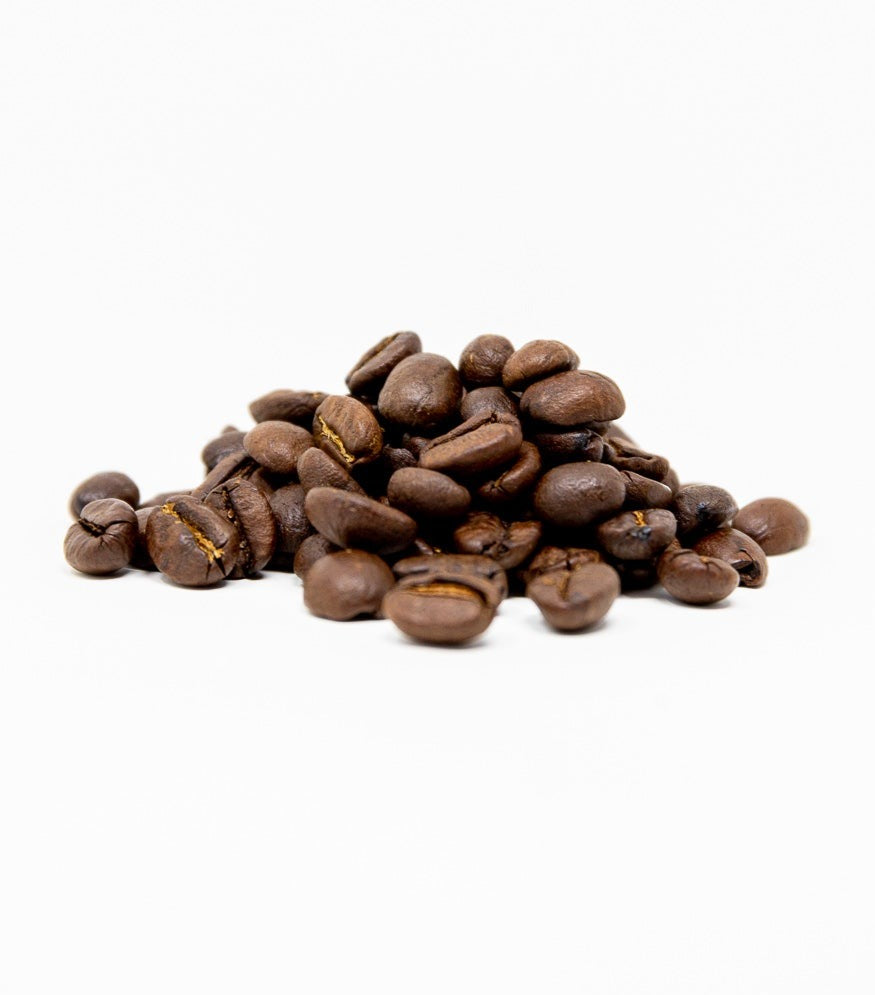
What Is the Distinction In Between Arabica and Robusta Beans?
Arabica beans are smoother and sweeter, frequently including fruity flavors, while robusta beans are more powerful with a bitter taste and higher high levels of caffeine material. You'll discover these differences in scent and developing experience.
Exactly How Can I Store Coffee Beans for Quality?
To store coffee beans for freshness, maintain them in a closed container, far from wetness, heat, and light. If you just grind what you need right prior to developing, you'll preserve their flavor longer. When you explore the rich flavors of coffee beans, you uncover a complex globe where each variety brings its very own character to your cup. When you take a sip of coffee, you're not simply delighting in a beverage; you're experiencing a rich tapestry of tastes shaped by the beans' origins. While it could appear that the origin of coffee beans is the most substantial aspect in determining their taste and aroma, the processing approaches utilized post-harvest play a similarly crucial duty. Toasting methods are crucial for disclosing the full capacity of coffee beans, as they change raw, eco-friendly beans into the fragrant, delicious coffee you take pleasure in. As you sip your coffee, you could notice a range of tastes dancing on your palate, each revealing the intricacies of the see post beans.